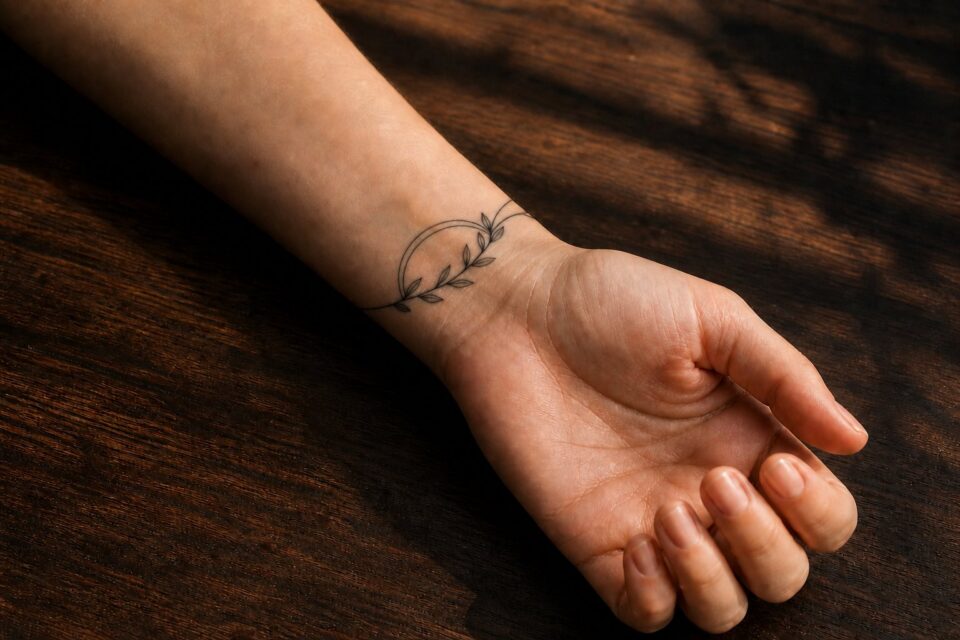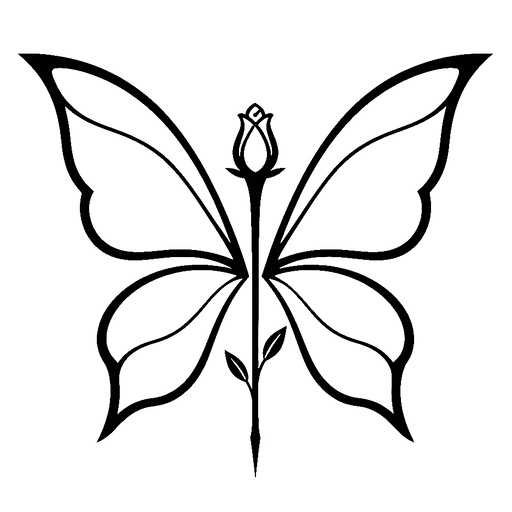
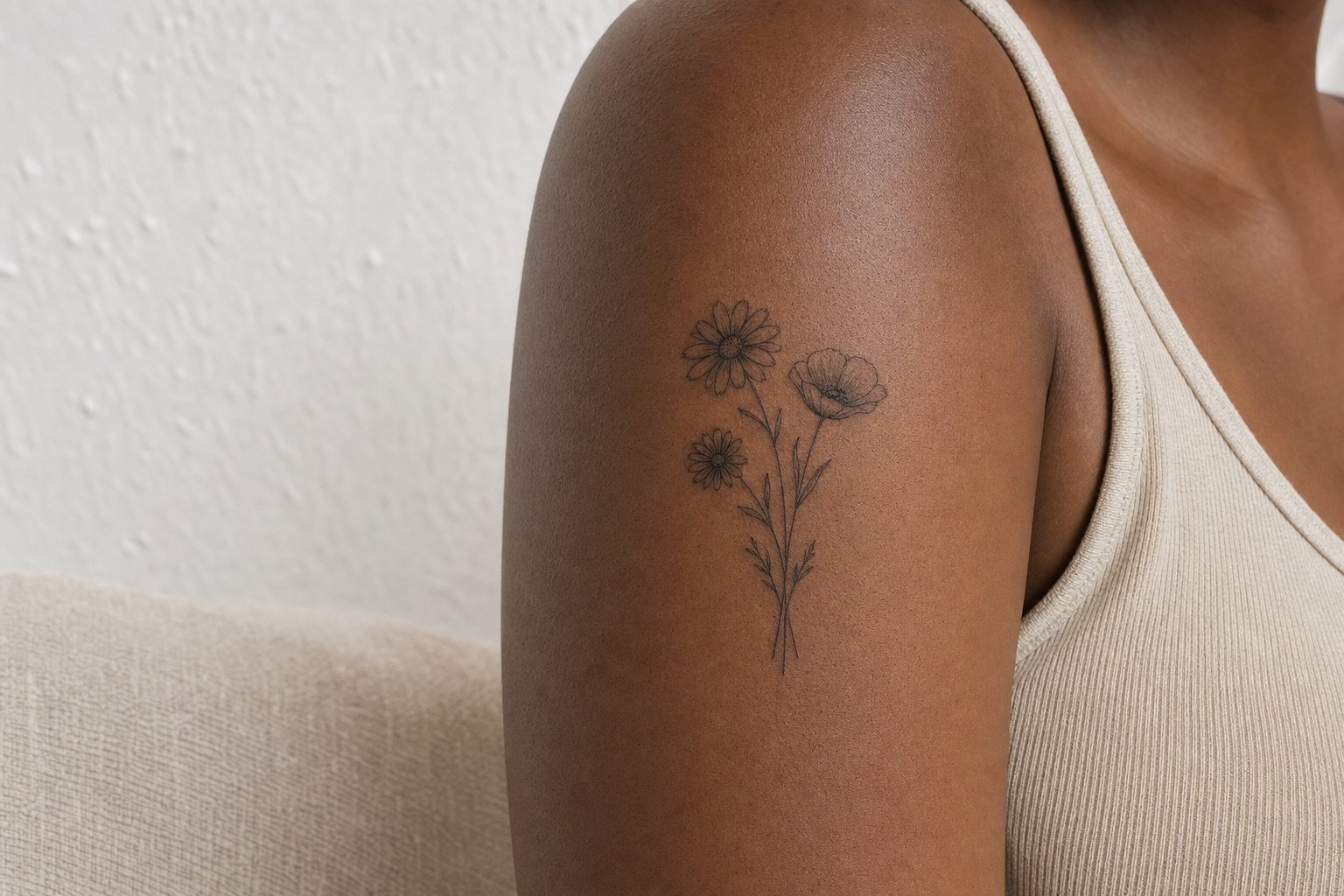
Birth flowers offer an immediate link to a month, but the flower name is only the beginning. Species, growth stage, stem shape, seed head, leaf pattern, and personal association can all change the character of the final drawing.
A month-by-month starting point
- January
- Carnation or snowdrop
- February
- Violet or primrose
- March
- Daffodil
- April
- Daisy or sweet pea
- May
- Lily of the valley or hawthorn
- June
- Rose or honeysuckle
- July
- Larkspur or water lily
- August
- Gladiolus or poppy
- September
- Aster or morning glory
- October
- Marigold or cosmos
- November
- Chrysanthemum
- December
- Narcissus or holly
Associations vary across sources and regions. If the exact convention matters, record the source or family tradition you are using.
Look beyond the full bloom
A closed bud can suggest anticipation; a seed head can point toward memory or continuity; a bent stem may feel more like a real garden than a perfect specimen. Reference photographs you take yourself can give an artist details that do not come from a generic flower chart.
A useful botanical brief
- Name the person, month, or event the plant represents.
- Choose the growth stage that carries the right feeling.
- Say whether you prefer botanical accuracy, loose gesture, or geometric reduction.
- Note the placement and the direction the stem might follow.
- Share several plant references, not another tattoo to duplicate.
A birth flower becomes personal when the drawing responds to a real specimen, story, or visual choice, not simply the month assigned to it.
Combine several birth flowers thoughtfully
A family or relationship bouquet can become crowded when every month is represented as a full bloom. Ask whether each person needs a flower head, or whether a leaf, bud, seed, thorn, or stem could carry one part of the story.
Choose one botanical language
Photographic accuracy, herbarium-style drawing, loose gesture, and geometric reduction produce different bouquets. Pick a visual language before combining species so the composition feels intentional, not collected from separate tattoo references.
Use hierarchy
Not every plant needs equal scale. One flower may represent the central person or event while smaller elements carry dates or relationships. Tell the artist what hierarchy means emotionally and let them solve the arrangement.
Prepare better references
- Use clear plant photographs, ideally from several angles.
- Confirm the species or family tradition that matters to you.
- Mark the growth stage you prefer.
- Describe whether stems should feel gathered, growing, scattered, or pressed.
- Separate placement inspiration from drawings you do not want copied.
If the exact species is important, check more than a florist label or social-media caption. Kew Science’s Plants of the World Online lets you compare accepted plant names, descriptions, distribution, and reference images. Save the scientific name with your photographs so the artist is not left choosing between several plants that share one common name.
A birth-flower composition becomes richer when the plants have different roles and shared visual treatment. The goal is not to fit a flower chart onto the body; it is to make a botanical system for a specific set of relationships.
Make the month only one layer of the idea
A birth flower can mark a month, but the design does not need to stop at the calendar association. Look at the specific flower’s growth habit, petal shape, leaves, and season. A single stem drawn from observation will usually feel more individual than a generic bouquet labeled with a month.
If the tattoo represents more than one person, test separate stems before weaving them together. Different flowers may have very different proportions. Keeping a little space between them can make each one readable, while forcing them into a perfectly even bunch may erase the features that distinguish them.
Choose one reason for any extra detail. A date can anchor the memory. A ribbon can connect several stems. A small insect can refer to a garden or season. If an element is present only because the composition feels empty, ask the artist whether a change in scale or placement would solve the problem more cleanly.
First, decide which birth-flower list you mean
Birth-flower associations are not one fixed worldwide system. Florists, popular calendars, historical almanacs, and regional traditions can assign different flowers to the same month. Instead of treating the first chart you find as a rule, compare a few sources and choose the flower that has a real connection to the person or month you want to mark.
It is completely reasonable to leave the calendar behind. The flower blooming near a birth home, a plant grown by a grandmother, or a species carried at a meaningful event may be more personal than the conventional option. Keep a note of why you chose it. That explanation is useful when an artist asks which visual features matter.
Study the plant before stylising it
Collect photographs of the actual species from several angles. Look at petal count, leaf arrangement, stem habit, seed heads, buds, and the way the flower bends. Botanical identity often lives in a few small traits. If those are removed to make the tattoo “minimal,” the flower may become a generic bloom.
Choose whether you care more about scientific recognisability or emotional resemblance. A pressed flower from a family book may be flattened and imperfect. A garden photograph may show a crooked stem. Those qualities can become the heart of the design even if they are not how the plant appears in an ideal botanical plate.
Use your own photograph well
Mark the parts you love rather than asking for a literal photo copy. Perhaps it is the downward tilt, two uneven leaves, or one petal folded behind another. Tell the artist which changes are welcome. That gives them permission to make the drawing work on the body while protecting the detail that carries the memory.
Build a composition, not a catalogue
When several relatives or children are represented, the first impulse is often to include every complete flower at equal size. The result can become crowded. Consider a field-note composition with one open bloom, one bud, and a leaf from another plant; a loose stem crossing; separate small studies; or a bouquet with a clear visual leader.
Hierarchy does not rank the people represented. It simply gives the eye a place to enter the design. A larger flower may have a shape that carries the composition, while a smaller sprig supplies the meaningful detail. Explain this distinction to everyone involved if the design is a family piece.
Match detail to the size you will actually wear
Before choosing “fine line,” count the internal features you want to preserve. Layered petals, textured centres, overlapping leaves, and written names all require space. Ask the artist to show what the flower looks like at the proposed size rather than approving a large digital drawing and assuming it can simply be reduced.
A tiny outline is not the only elegant option. A slightly larger silhouette with deliberate open skin may feel lighter than a cramped small drawing. Conversely, a bold simplified flower can remain compact if its identifying contour is strong. Portfolio photographs of healed work at similar sizes are more informative than fresh close-ups alone.
Think about direction on the body
Long stems can follow a forearm, calf, rib, or shoulder curve. Round blossoms may sit more naturally on broader areas. If the flower has a distinct upright direction, decide whether it should appear upright to someone facing you, to you when you look down, or in the body’s neutral standing position. Ask to view the stencil from several angles before the appointment begins.
Colour, black ink, and the role of memory
Colour may be essential if a particular yellow rose or blue cornflower is the point. Bring several photographs taken in normal light, because one edited image can distort the hue. If you prefer black ink, texture, petal shape, and negative space can carry the distinction. Do not let a symbolic colour chart override the colour you actually remember.
For long-term care, follow the artist’s instructions and ask a qualified clinician about any skin concern. Once healed, dermatologists recommend protecting tattooed skin from ultraviolet light; the American Academy of Dermatology’s tattooed-skin guidance is a useful general reference.
A concise flower brief
Write the species, the person or month it represents, the source of the association, two botanical traits to keep, one emotional quality, the preferred placement, and the details you are willing to simplify. Add your own images and a few examples from the chosen artist’s portfolio. That small packet gives the artist something richer than a month name and leaves space for an original drawing.
Make a flower proof sheet
Put three photographs of the chosen plant on one page: the whole growth habit, a close view of the bloom, and the detail that makes your specimen personal. Add the proposed size beside them. This prevents a dramatic macro flower from becoming the only reference for a tattoo that must read at a very different scale.
Under the page, write one sentence separating identity from decoration. For example: “The split leaf and downward-facing bloom identify my grandmother’s plant; the number of background sprigs can change.” An artist can then protect the true source while making compositional choices. Save the proof sheet with the finished design so you retain the plant story instead of only the month association.