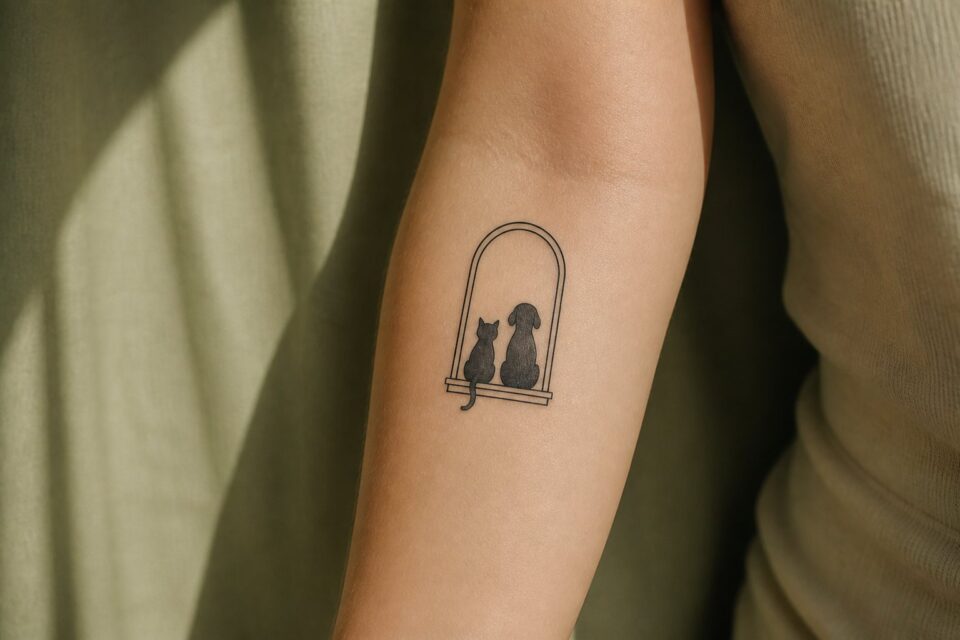

A small tattoo cover-up depends on the tattoo that is already there. Its darkness, color, raised areas, age, line direction, and exact placement matter more than a generic list of cover-up ideas.
Do not promise yourself that a tiny flower or darker symbol will hide anything. Take clear photographs, find an artist with real cover-up examples, and let the consultation decide whether covering, reworking, fading, or leaving the tattoo alone makes the most sense.
Record the existing tattoo honestly
Photograph the tattoo in even daylight with no filter, lotion shine, or dramatic shadow. Include one close view and one wider view that shows the body area. If the tattoo changes when the joint bends or the skin stretches, add those angles too.
Write down its approximate age, any known touch-ups, and what you want to change. You may dislike the subject, the execution, the placement, or the memory attached to it. Those are different problems and may lead to different options.
Compare covering, reworking, and fading
A cover-up places a new tattoo over the old one, usually using shape, contrast, and additional area to redirect the eye. A rework keeps some of the original and improves or extends it. Fading may create more options, but only a qualified provider can advise on that process.
Sometimes the cleanest choice is a modest rework, not a larger dark cover. In other cases, the original lines are too strong for the small replacement you imagined. Ask for realistic directions, not a guarantee based on a photograph alone.
Do not force the new pet into the old outline
A cat silhouette, dark ear, coat patch, or curled sleeping shape may provide useful coverage, but the existing tattoo still controls what is possible. Bring several pet photographs with different angles instead of one fixed portrait request. The artist may use a darker feature over the old lines and place the recognisable face or posture beside it. The result should still feel like your animal when the cover-up problem is forgotten.
Choose a design you would want anyway
Look for subjects with useful dark and light shapes, but do not pick a dense flower, animal, or black symbol only because it sounds good at hiding ink. The new tattoo will remain after the old one stops being the focus, so it still needs to suit your taste.
Expect the artist to control the direction, scale, and placement more than they would on clear skin. A successful small cover-up may extend beyond the old outline or use a shape you had not considered. Decide where you can be flexible before the consultation.
Find documented cover-up work
Look for before-and-after photographs taken from similar angles, plus healed results when available. One fresh image is not enough to show how the old tattoo was managed. The artist should also make work in a style you would choose on clear skin.
Follow the artist’s submission process. They may need photographs first and an in-person consultation before discussing a drawing. Be direct about budget questions, timing, previous treatment, and the parts of the existing tattoo that still matter to you.
Prepare for the consultation without fixing the answer
Bring two or three style directions you would genuinely wear, not a single finished tattoo you expect the artist to reproduce. Include examples from the artist’s own portfolio when possible and explain whether you like the shape, darkness, color, or way the old ink was redirected.
Mark any hard boundaries before the appointment. You may have a maximum area, a color you do not want, or part of the old tattoo you would prefer to keep. Separate those limits from softer preferences so the artist knows where they can solve the visual problem.
Ask what the artist can assess from photographs and what requires seeing the skin in person. Texture, raised lines, fading, and subtle color can be difficult to judge on a screen. A responsible pause before promising a design is useful information, not a lack of ideas.
Document the tattoo as it is now
Take clear photographs in indirect natural light: straight on, from both sides, and far enough away to show the whole body area. Include a ruler nearby without covering the skin. Do not edit contrast or colour. The artist needs the current darkness, lines, texture, and surrounding space.
Write the tattoo’s approximate age, whether it has been altered, and what you like or dislike. If the skin has a medical issue or concerning change, consult a qualified healthcare professional before treating it as a design problem.
Separate the emotional goal from the visual solution
You may want the old subject unrecognisable, the area visually calmer, a name removed from attention, or the whole piece turned into something you enjoy. State the goal without prescribing how it must be achieved. A good cover-up may use the old lines as structure, move the focal point, or require more space than expected.
Rank what matters: full concealment, preferred subject, maximum size, colour limits, preserving nearby tattoos, or finishing in one stage. Not every priority can remain fixed.
Choose subject categories with room to adapt
Subjects with texture, depth, overlapping forms, and adjustable dark areas often give an artist options. Botanical work, animals, ornament, abstract forms, and other layered compositions can be adapted, but no category guarantees success. The old tattoo and the artist’s method decide.
Do not pick a new subject only because an online list calls it “good for cover-ups.” Choose something you want, then ask whether it can be designed around the existing marks.
Expect the surrounding skin to matter
A cover-up usually needs to direct the eye beyond the exact border of the old tattoo. Photograph and discuss the full available area. The strongest solution may be larger, offset, or differently shaped rather than a same-size patch placed directly on top.
Do not demand a pale focal point over the darkest area
The artist may place the new focal point beside the old tattoo and use darker support where coverage is needed. This creates hierarchy instead of forcing every new feature to compete with existing ink.
Ask about all reasonable paths without self-prescribing
An artist may suggest leaving the tattoo, reworking it, covering it, or consulting a qualified medical provider about removal or lightening. Tattoo removal can involve risks, expense, and multiple treatments; the FDA fact sheet gives general background. Individual advice belongs with an appropriately qualified clinician.
Do not use home removal products or damage the skin to make the tattoo “easier” to cover. Bring intact, current skin to the consultation and follow professional guidance.
Find healed cover-ups, not just strong tattoos
Look for before, fresh-after, and healed-after documentation when available. Study whether the old tattoo remains visually controlled under normal light and whether the new composition works on its own. Check for examples with similar density and body placement.
Ask the artist how much flexibility they need and whether an in-person consultation is required. A clear refusal may mean the project falls outside their method, not that concealment is impossible elsewhere.
Send an honest consultation packet
Include unedited photographs, measurements, age and history, emotional goal, size limit, subject interests, colour preferences, nearby tattoos, and anything you refuse to cover. Do not conceal previous alterations or present an old photograph as current.
A cover-up begins with constraints, but it should end as a tattoo with its own focus and body flow. Give the artist permission to design beyond the old outline, and judge the proposal as a new composition rather than a trick viewed only from inches away.
Build patience into the timeline
Consultation, possible medical discussion, design development, scheduling, and any staged approach can take longer than a straightforward small tattoo. Avoid tying the result to an urgent holiday or reveal. A rushed deadline may remove the flexibility the artist needs to solve the existing shape.
Take the proposed size and subject home if the process permits and consider whether you would want the new tattoo even without the old one beneath it. That question prevents relief at concealment from becoming the only standard. The new piece deserves a positive reason to stay.
Write two columns: what must disappear from attention and what you want to gain. The second list might include a botanical subject you genuinely love, better movement on the arm, or a design you are happy to show. If the gain column is empty, continue researching before turning urgency into a permanent replacement.
Share the positive goal with the artist. It helps them design toward a new focal point rather than merely darkening the old outline until it is harder to recognise.
Ask what parts of the old tattoo may remain faintly detectable at close range and decide whether that is acceptable. “Not the first thing anyone sees” can be a more realistic goal than total erasure under every light. Clear expectations make it easier to judge the new piece as successful.