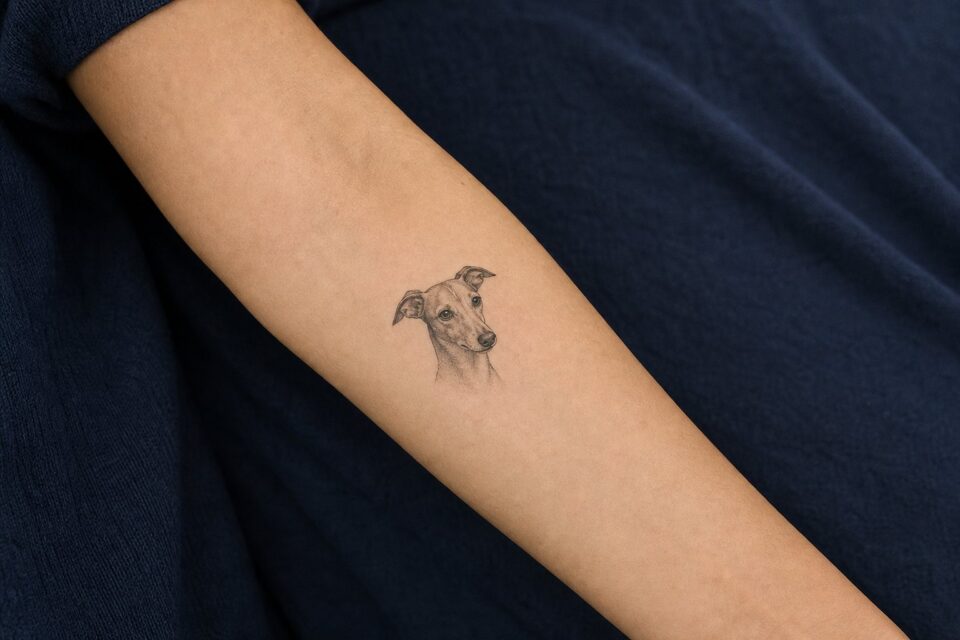
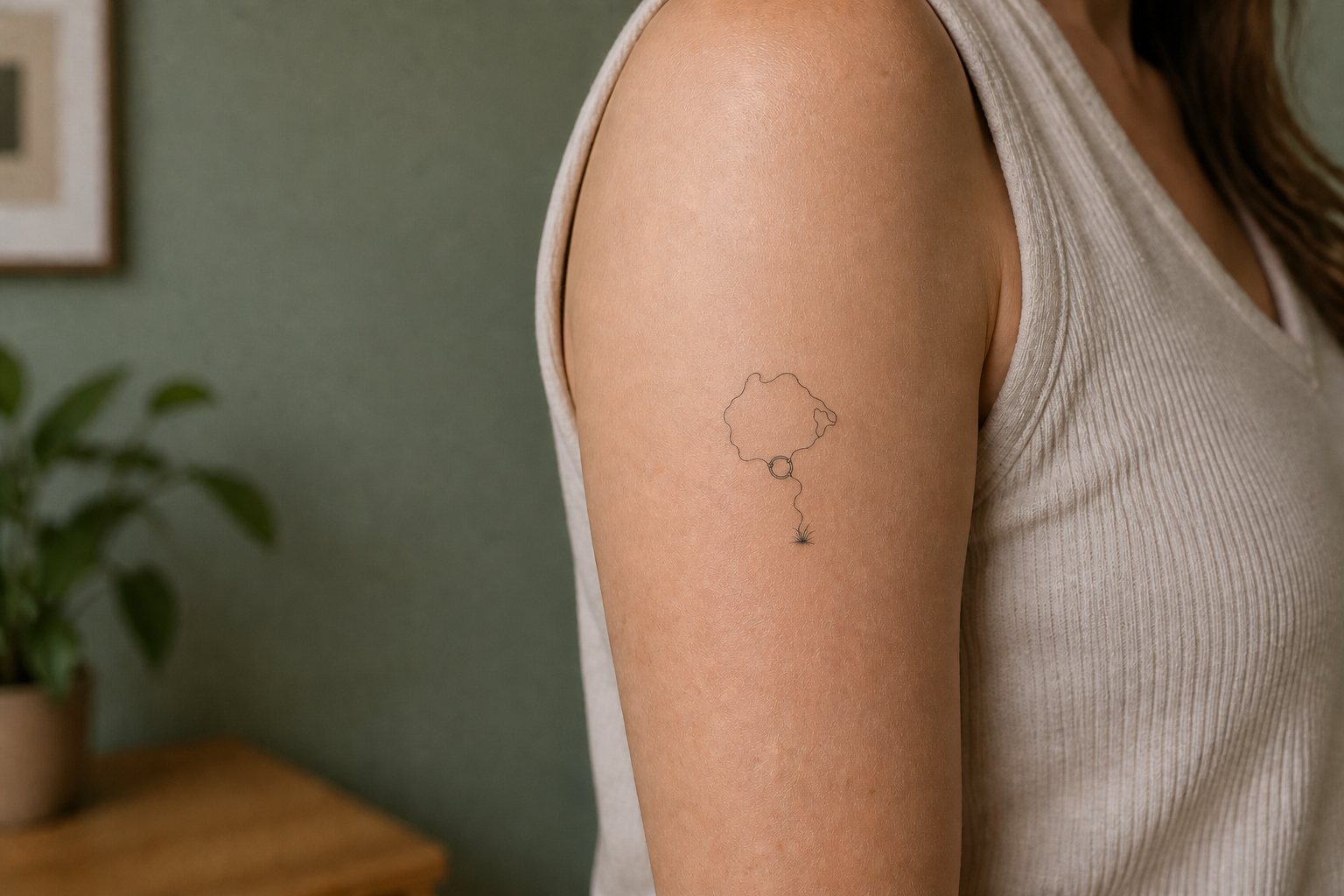
A pet memorial tattoo does not need to be a portrait or paw print. Sometimes the detail that brings an animal back most clearly is a tilted ear, worn tag, sleeping position, favorite window, damaged toy, or route walked every morning.
Begin with behaviour and routine
Write down ten small actions before choosing a symbol. How did the animal wait, play, ask for attention, occupy a room, or greet familiar people? Behaviour can lead to a gesture, line, object, or composition that feels more specific than a general species outline.
Think about place as well. A patch of sunlight, garden gate, water bowl location, trail bend, or car window may hold the relationship. A memorial can center the world you shared, not depict the animal literally.
Gather references you have permission to use
- Clear photographs from several angles
- Short videos that show characteristic movement
- The collar, tag, toy, blanket pattern, or bowl
- Notes about markings that must be accurate
- A written description of the memory the tattoo should hold
If a portrait matters, choose an artist whose portfolio includes comparable animal work and clear examples at the scale you are considering. Let the artist explain what source quality and design size their process requires.
Give the decision time
A memorial idea can change as grief changes. Keep the photographs, notes, and objects together, but do not force yourself to choose the final image during the first intense weeks. The American Veterinary Medical Association’s pet loss and grief guide explains that people experience this loss differently. A pause does not weaken the memorial. It can reveal which small habit or feature still brings the animal back most clearly.
Design directions beyond a portrait
A characteristic outline
An ear shape, tail curve, profile, or resting posture can be recognizable without reproducing every feature. The artist can decide which contours carry the identity.
An everyday object
A tag, bell, lead handle, toy seam, or bowl pattern may hold a whole routine. Wear and imperfection can be part of what makes the object personal.
A place marker
A window edge, garden plant, trail contour, or small map fragment can locate the memory in a shared environment.
A private notation
A date, initial, nickname, sound written as rhythm, or word in personal handwriting can accompany an abstract mark.
Make a contact sheet of ordinary pet memories
Choose twelve photographs that show different parts of the animal’s life, not twelve versions of the same portrait. Include the sleeping position, the back of the ears, the tag, a favourite toy, the place where food was expected, and a normal walk. Add one short note under each image. Write what you remember before describing what the tattoo could look like.
Lay the page aside, then return and mark the three images that still produce the quickest recognition. The most useful source may be a badly lit photograph with the exact posture you remember. Keep it. Add a clearer image only to explain coat markings or anatomy. The artist needs both emotional evidence and enough visual information to draw responsibly.
Decide whether the tattoo should show the animal or the life around the animal. A bent ear and collar can create a small portrait. A damaged ball beside two floorboard lines can hold a room and a routine without showing the pet directly. Neither approach is more meaningful. The right one is the detail you want to meet again on an ordinary day.
If relatives remember the pet differently, let them make their own contact sheets before comparing. Shared grief does not require one official image. The tattoo belongs to the person wearing it, while the archive can preserve the other versions of the animal.
Prepare a respectful one-page brief
State the animal’s name, the memory or quality you want the tattoo to carry, and the references available. List essential details and details the artist may simplify. Describe mood, possible placement, visibility, and whether you prefer literal likeness or symbolic interpretation.
For a memorial, one familiar detail can carry more than a crowded image.
Collect the ordinary evidence first
The most recognizable pet details are often the ones missing from formal portraits. Look through ordinary photos for the bent ear, worn collar, sleeping position, uneven whiskers, favorite toy, or patch of fur you noticed every day. Make a short list before choosing a composition.
One of those details may be enough for the whole tattoo. A collar tag can hold a familiar scratch. A simple outline can use the actual curve of the back. A paw print can sit beside the toy that always appeared in the same room. Keeping the subject narrow often feels more personal than combining every possible memorial symbol.
Bring several clear photos, including one that shows body proportion and one close view of the feature you want to keep. Tell the artist which detail matters emotionally and which details are optional. That gives them room to simplify the image without accidentally simplifying away the reason you chose it.
Write the ordinary-memory list first
Before selecting a portrait or paw print, list what made this animal unmistakably herself: the sleeping position, worn patch on a collar, bent ear, favourite window, sound of tags, route to the park, blanket fold, or way she waited by a door. Grief often makes the final days feel louder than the years before them. Everyday details can return the design to the whole life.
Ask other people who knew the animal for one memory, but do not feel obliged to include every suggestion. The tattoo is allowed to represent your relationship rather than a complete family biography.
Sort source material by what it can show
Group photographs into face, body shape, gesture, markings, objects, and places. A blurry image may still show the exact head tilt you remember. A clear portrait may flatten the personality. Label why each image matters so the artist can combine information intentionally instead of guessing.
Keep original files when possible. Messaging apps and screenshots can remove detail. If a collar, tag, toy, or blanket still exists, photograph it in even light from several angles and include a ruler if size is relevant.
Memorial directions beyond a portrait
A characteristic gesture
A silhouette of the stretch, curled sleeping shape, alert ear, or lifted paw can be more recognisable than a formal face. Gesture also simplifies well when the desired tattoo is small.
An object changed by use
The frayed edge of a toy, scratches on a bowl, or worn collar hole records the animal’s presence. Ask the artist to keep the irregularity rather than replacing it with a generic pet accessory.
A shared landscape
One tree from a walking route, the line of a beach, or a window frame can hold the relationship without depicting the animal directly. A tiny personal mark, such as a tag shape or track rhythm, may connect the scene.
Language and sound
A nickname, adoption-date note, veterinarian card, or phrase spoken every day can become lettering or abstract rhythm. Use real handwriting if available and make sure the words still feel kind outside the immediate grief.
Treat paw and nose prints as documents
If you have an ink or clay print, scan or photograph the complete object before cleaning anything. Smudges and uneven pressure may be part of the original capture. Ask the artist what can be clarified without inventing a symmetrical, generic paw.
When no real print exists, do not present a stock print as the animal’s. A representative paw symbol is fine if described honestly. You can personalise it through a known toe angle, nail shape seen in photos, accompanying object, or the composition around it.
Let timing serve the decision
Some people know immediately what they want. Others need months before they can look at photographs without choosing from the sharpest part of grief. There is no correct waiting period. Save ideas, revisit them, and notice which details continue to feel like the animal rather than only the loss.
If the tattoo is scheduled near an anniversary, build in time for the drawing and stencil decisions. Emotional importance is a reason for more breathing room, not less. A date can still be honoured even if the appointment happens later.
Choose an artist for the chosen form
Portraits, small silhouettes, illustrative objects, and botanical landscapes require different strengths. Look for healed examples of the subject and scale you need. A person known for large animal realism may not prefer a tiny line portrait, while a small-scale specialist may simplify in a way that better suits the placement.
Send a short personality note, labelled source images, the design direction, placement thoughts, and what you do not want. The best memorial is not the one strangers recognise fastest. It is the one that brings back the particular animal in the quiet second before you explain it.
Decide whether the name and dates help
Place the proposed portrait or object beside the name and dates, then remove the text. If the image already brings back the animal, literal information may be unnecessary or could live in a separate keepsake. If the name’s sound or lettering is part of the bond, give it enough space instead of tucking it into an unreadable edge.
Check dates against records and ask another person to verify them before approval. For multiple animals, avoid squeezing a growing list beneath one small image. Related individual pieces, an expandable composition, or a shared landscape can hold several lives with more room and less visual hierarchy.
When several animals shared the same home, a single setting may carry all of them: the worn edge of a couch, hooks with different leads, bowls aligned by a wall, or the view from a walking path. Small distinguishing marks can be added only where necessary. This approach records their life together without turning each memorial into a tiny repeated portrait.
Keep names and dates in the source document even when they do not enter the design. The archive can carry factual completeness while the tattoo carries recognition and feeling.
Before approving, describe the memorial using three sensory details that are not in the drawing. If the image still brings those details back, it is doing enough. A tattoo does not need to depict the sound of paws, the weight at the foot of a bed, and the route home; one true visual doorway can open the rest of the memory.